It’s been one hell of a stretch. In March of last year, we shut down 100,000 schools in short order. And we just experienced the longest, strangest school year I’ve ever seen. As a parent, I experienced my 1st grader’s elementary going from hybrid to remote to hybrid to in person. The whole time, like every other parent, I’ve been whipsawed between frustration and appreciation.
Generally speaking, as we’ve watched developments unfold, I’ve frequently been disappointed. I think COVID-19 theater, partisanship, and petty politics played too large a role in decisions about when and how to reopen schools. I have misgivings about much of the remote instruction and I don’t think the ed-tech community put on a particularly noteworthy display. School districts did too little to support students, families, and ÌÇÐĶ¯Âþvlog or to get imaginative about how to best utilize the staff they had.
Of course, there have also been plenty of bright spots. Some schools, systems, and states did a laudable job of responsibly reopening at the start of last year, and their numbers steadily grew. Some of the online instruction I’ve seen has actually been pretty impressive, particularly this past year when teachers had a fighting chance to get used to the digital tools and some lead time to prepare for online learning. I know that, like millions of other parents, I really liked seeing my kids during the day, hearing what they were up to, and being able to answer the occasional question.
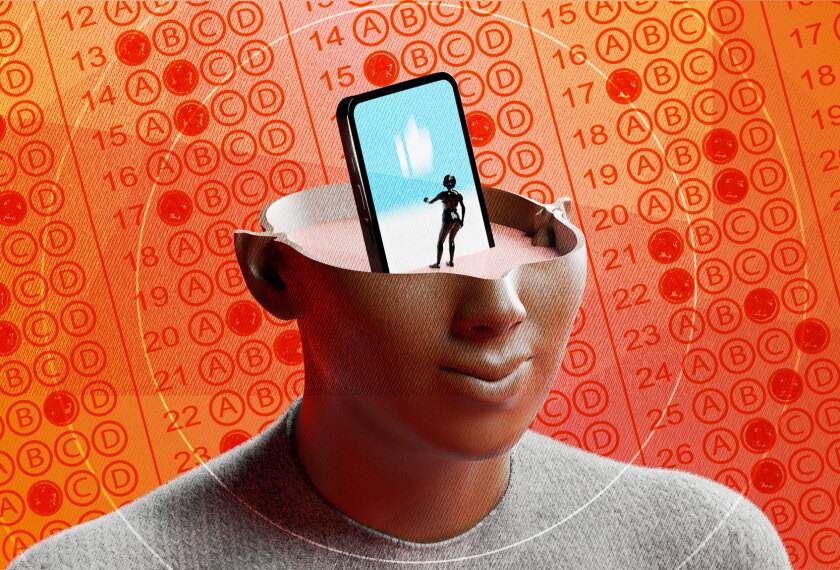
In response to an intriguing from Harvard’s Ed. Magazine, I found myself noodling on the one thing in K-12 that I’d most like to keep from the pandemic. I’ve concluded that, more than anything else, it’d probably be the window we were given into schools, classrooms, and learning. In a word: transparency.
In the course of the pandemic, parents got new visibility into what kids are learning, what teachers are teaching, and how schools are using their time. Perhaps the thing I’ve heard most often from parents during the past 12 months (and occasionally thought myself) is: “I had no idea.� They had no idea this teacher was so organized, their child was so confused about parts of speech, or how much (or how little) learning actually occurs during their kid’s school day.
Over time, school systems have evolved routines that have walled parents off from classrooms and corridors. In too many places, despite all the pieties about stakeholders and community, I’ve seen schools seemingly treat parents as a nuisance. Too many school leaders find it convenient to give the gentle brushoff to parents concerned about discipline, special education, or testing. There are whole online tirades capturing the frustration parents experience when they’re trying to help their kids with math, only to be befuddled by “newâ€� approaches—especially when they feel like ÌÇÐĶ¯Âþvlog are dismissing their concerns (a recurring theme during the Common Core imbroglio).
All these routines were turned inside-out by the pandemic. When schools needed parents to help kids get online, supervise them, and serve as teacher aides, parents were no longer a nuisance. Meanwhile, parents charged with printing out materials, managing asynchronous platforms, and putting out fires suddenly enjoyed a front-row seat into what students were doing.
This burst of transparency had all kinds of ramifications. Zoom classes and cameras in hybrid classrooms allow parents to appreciate terrific teachers, see what a child is learning, and intervene when necessary. For teachers as well as parents, such things have a lot to recommend them. Of course, piping teachers directly into kitchens and dining rooms has also meant that those inclined to deliver soapbox speeches or promote personal agendas can no longer do so in the comfortable solitude of their classrooms.
There’s great power in this kind of openness. It can strengthen school communities, allow parents to see what’s happening in their children’s schools and classrooms, and provide students more of the support they need. Here’s hoping that we find ways to keep this transparency and build on it, long after the kids are out of the kitchen and back in the classroom.